de la luna y los nopales

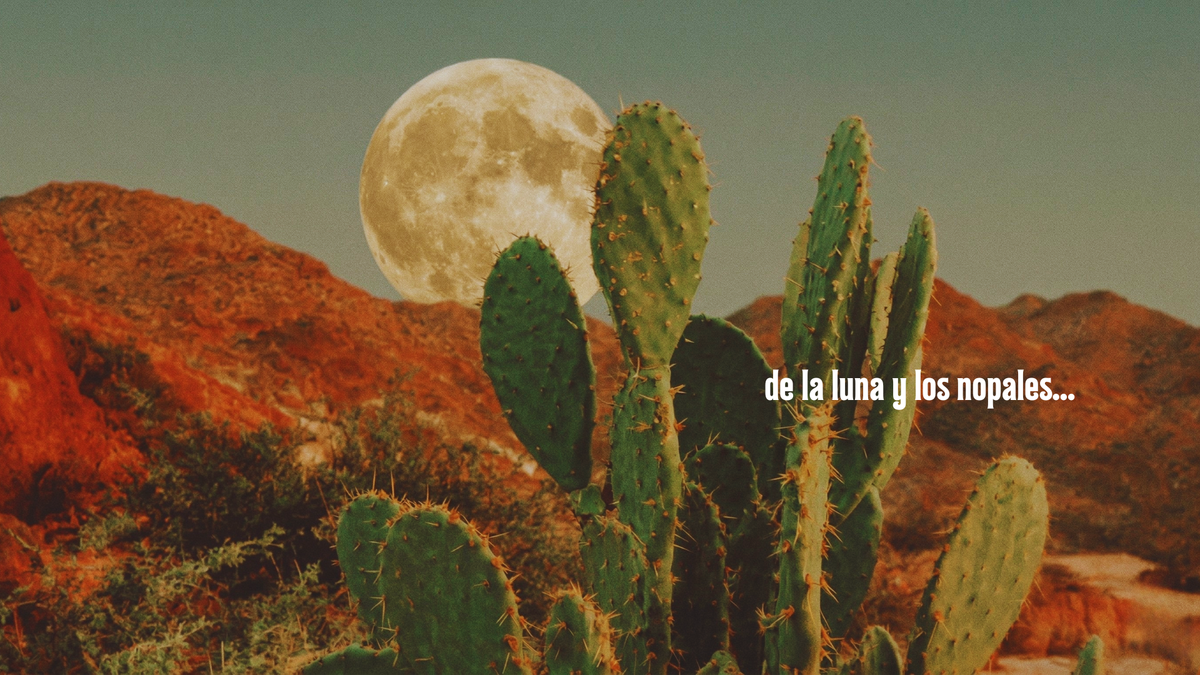
a Latina landed on the moon and no one noticed...
The math is brutal. Latinas receive less than one-tenth of one percent of all venture capital. In beauty, seed investments of four million dollars for products like microbiome body washes, personalized makeup and reusable sheet masks are common. But how much investment explicitly goes to the fastest-growing consumer segment? I can find evidence of exactly two Latina-founded beauty brands closing a Series A round in the past five years. Ceremonia in 2023. Nopalera last week. Two out of 2.9 million Latina-owned businesses. It is almost as rare as landing on the moon.
Sandra Velasquez launched Nopalera in 2020 to elevate Mexican beauty to the same status as French premium products. Last week she closed four million dollars in Series A funding led by Morgan Stanley's Next Level Fund and co-led by L'ATTITUDE Ventures, which backed her at the seed stage and came back for more. Six years in, with doubled revenue last year, seventeen employees, and retail on four continents, the institutional money is catching up to the thesis.
The origin is a parable. In 2019, Velasquez was teaching herself to make soap. A recipe called for aloe vera. She had nopales instead. The substitute cactus turned out to contain fifty percent more amino acids than aloe and greater antioxidant potency. The United Nations calls it the crop of the future. Nobody had built a premium beauty brand around it. The ingredient was right there—in kitchens, in gardens, on the flag—waiting for someone to see it differently.
You could say the same about the consumer. Hispanic buyers represent twenty-three billion dollars in annual U.S. beauty spend—roughly eighteen percent of the total market—and outpace growth in every major category. Latinas spend up to thirty-seven percent more on beauty than non-Hispanic consumers, and seventy-eight percent say they feel more connected to brands with culturally authentic representation. She spends more. She notices who sees her. She remembers who does not.
What makes Nopalera worth studying as strategy are the decisions accumulating beneath the headline. The brand launched fragrance in 2024 with three scents—Dulce de Cuerpo, Flor de Madera, Bosque Místico—and within a year fragrance constituted half of revenue. Whether the team anticipated that velocity or was surprised by it, the company has signaled that building out the scent franchise is a priority. Every other SKU—the hand cream, the body polish, the candle—maps to one of those three scent worlds. If the architecture holds, it starts to resemble the playbook of major beauty houses, where fragrance anchors the emotional universe and everything extends it. The timing aligns: fragrance accounts for sixty-five percent of beauty sales across Latin America and grew fifteen percent last year.
And then there is Costco. This summer Nopalera rolls out to one hundred and fifty stores with four bundles, and the pricing reveals a deliberate channel strategy. The body polish duo is essentially buy-one-get-one-free. It’s the most generous offer in the lineup and a smart warehouse play: a sensory product at impulse value that gets the cactus on your skin for the first time. The hand cream six-pack and the hair care starter set run about 25% percent below their direct-to-consumer equivalents. Trial pricing. Recruitment architecture. Anyone who has ever navigated Costco with a Latina knows: she came for the rotisserie chicken and she is leaving with at least one thing she did not plan to buy.
The fragrance is the move worth watching. The Costco perfume set—a full-size Flor de Madera and a travel spray—is priced at seventy-nine ninety-nine. On nopalera.co, the full-size bottle alone costs seventy-eight dollars. Nopalera has essentially held the sticker price on its most important product and included a free travel spray as an incentive. A brand loyalist will not feel ripped off because the hero product costs the same. The travel spray is the gift. The price of the perfume holds. For a brand building around fragrance, that is the detail that matters most. Nopalera is choosing reach over exclusivity—and doing so without giving the margin away on fragrance.
The brand is attempting something few beauty brands at any scale have managed: prestige positioning across Credo, Ulta, and Mecca alongside mass-market reach through Costco. Add its first sports partnership—timed to the 2026 World Cup through a Mexican agency specializing in women’s soccer—and you have a brand making ambitious, concurrent bets on distribution, cultural timing, and category architecture, all within months of closing a historic round.
Venture allocates roughly two percent of its capital to all Latino founders combined. For Latinas, a tenth of a percent. Velasquez spent months closing this round amid a funding environment fixated on artificial intelligence. The consumer data was there. The pattern recognition was not.
Velasquez put it simply: “It’s not easy being first or being one of the first, but it is critical that we continue to normalize not only that Latina founders can do this, but that culture-forward brands are truly global and driving the global economy.” Two out of 2.9 million. Someone had to go first.
Velasquez saw it in her kitchen in 2019, reaching for a cactus instead of the aloe she did not have. Six years later, the flag is on the moon.
De la luna y los nopales—both were always there. One of them just needed someone to reach for it first.
Diane is a brand and business strategist who advises executives on the Latino consumer opportunity—the market most companies acknowledge in their earnings calls and misread in their execution. Cultural intelligence, demographic economics, brand positioning. If your strategy does not account for the Latina consumer with the specificity she warrants, you are leaving growth on the table.